We started this because most recipe sites are built for browsing, not for Tuesday at 6:15pm when the kids are hungry and the fridge has three good ingredients in it.
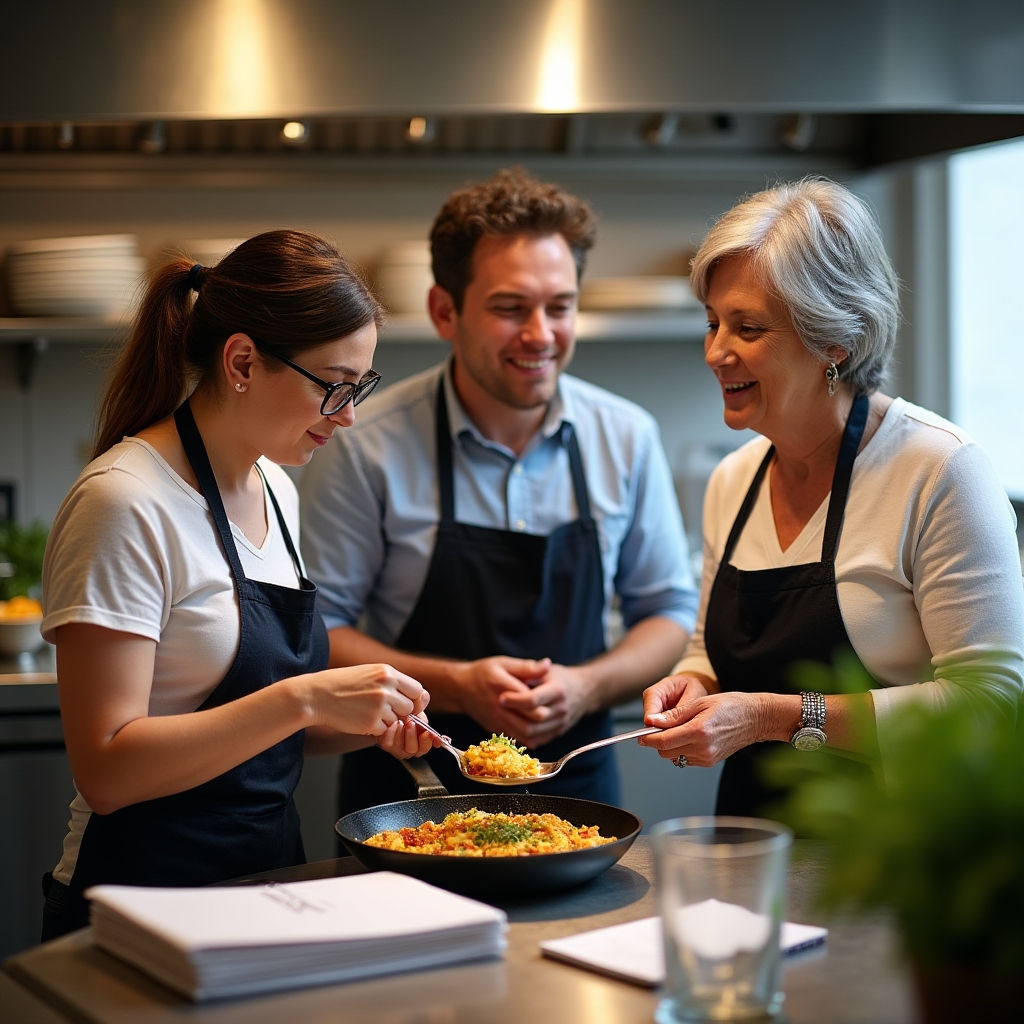
Siteki Riwivi began as a shared notebook between a handful of recipe writers and home cooks who kept running into the same problem: cookbooks and food blogs are full of good recipes, but almost none of them tell you honestly how long something takes on a weeknight, or whether a beginner can pull it off without a bad night in the kitchen.
So the platform got built around three questions instead of one big recipe archive. How much time do you have. What do you or your household eat. And how comfortable are you standing at a stove. Everything else, including the seasonal ingredient choices, gets organized around those three answers.
If a recipe realistically takes 50 minutes, we don't label it a 25-minute meal to look appealing. Time estimates account for prep, not just active cooking.
Beginner, comfortable, and confident levels are marked plainly so nobody ends up mid-recipe realizing it needed a skill they don't have yet.
Ingredient choices follow what's reasonably in season across most US regions, which tends to mean better flavor and steadier prices.
Recipes are cooked through by our team before they're added to a weekly collection, with notes adjusted based on what actually happened at the stove.

Every weekly collection is assembled by a small team of recipe writers and home economists based in the US, working alongside cooks who test each recipe in a normal home kitchen, not a studio set. That means the pans are ordinary, the stoves aren't professional grade, and the timing notes reflect that reality.
We also keep an ear out for what members mention needing more of, whether that's faster cleanup recipes or more options for a specific dietary pattern, and fold that into future collections.
Our team works out of a small office in San Diego, but the ingredient guidance and recipe timing are built to make sense for kitchens across different US climates and grocery availability, not just Southern California.
